Preparing your garden for winter - autumn work calendar for Jurassic gardens
When to do the final mowing, how to protect frost-sensitive shrubs, and why pre-winter scarification determines your lawn's spring comeback. A practical guide for Jurassic gardens.
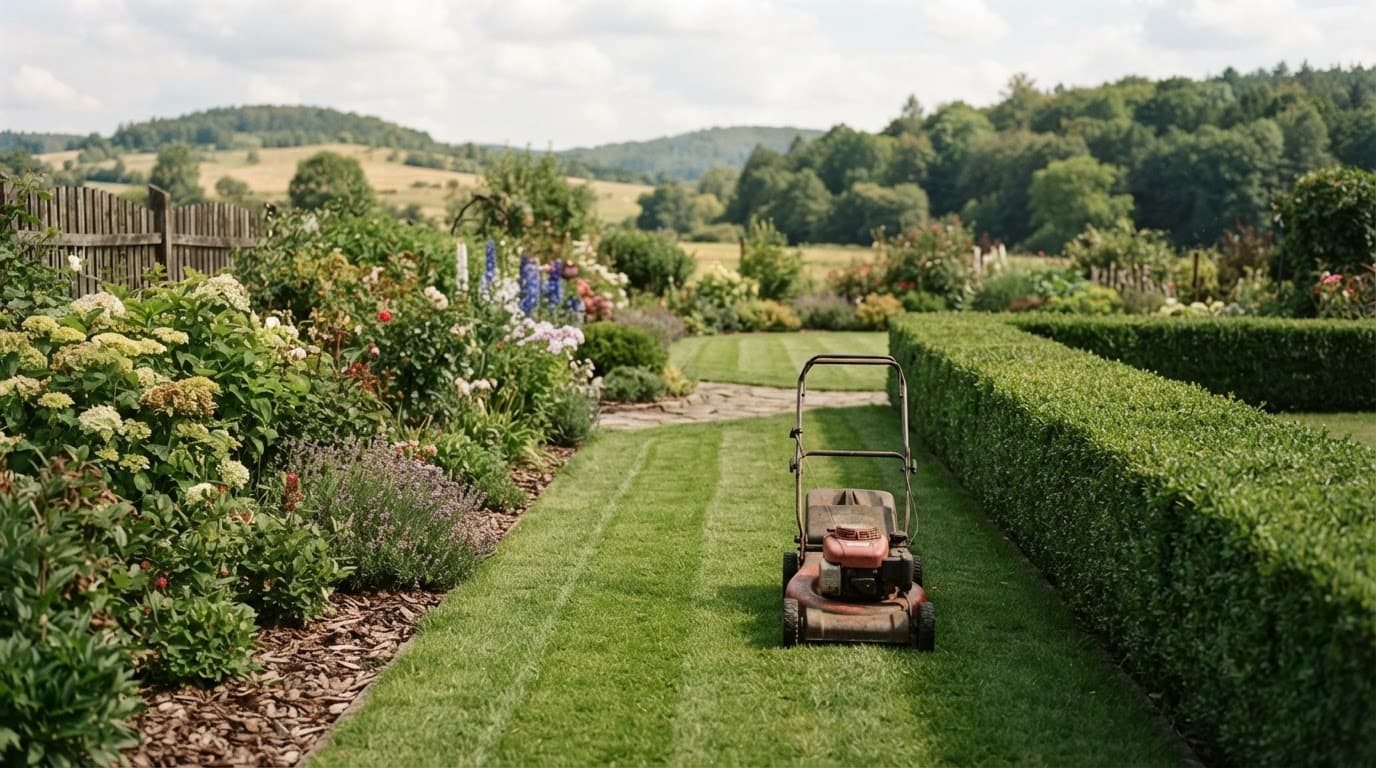
Autumn in a Jurassic garden is a time of intensive prep work. What you do in October and November directly affects how your garden survives frost and how quickly it regains vigor in spring.
Final mowing and scarification
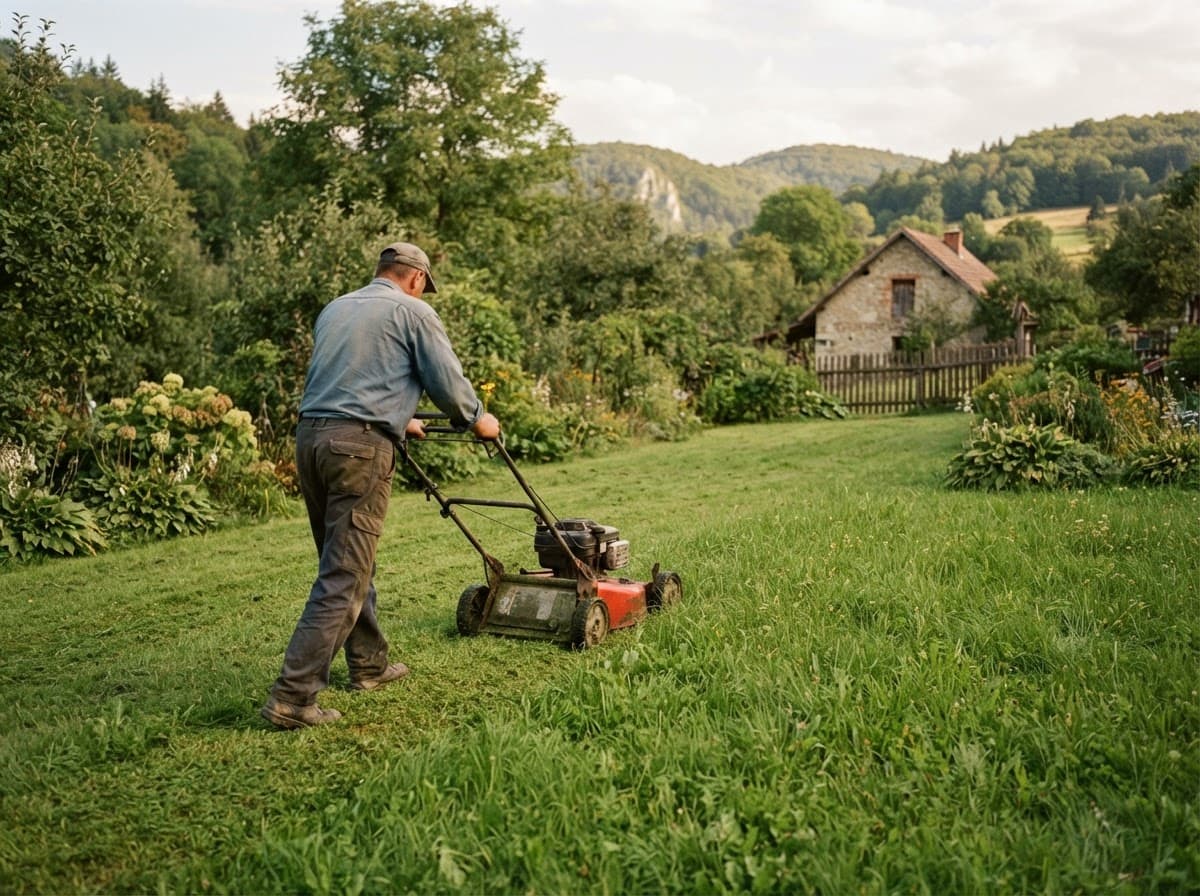
The final mowing is done in early October, raising the mower blades 1-2 cm higher than in summer. Taller turf better insulates roots from frost and protects crown nodes from drying winds. After mowing, scarify to remove thatch and allow rainwater to reach the roots.
Protecting frost-sensitive shrubs
- First-year thujas and yews are wrapped in horticultural fleece or burlap, avoiding plastic film that causes condensation and rot.
- Shrub roses are pruned to 40 cm and hilled up with soil or pine bark.
- Butterfly bush and hydrangeas are only lightly trimmed, with main pruning deferred to spring so stems winter better.
In late November, drain and blow out irrigation systems so water left in pipes doesn't crack the installation during the first hard freeze. This is the most important, yet most commonly overlooked, step in closing the garden season.
Need assistance with your garden?
Get in touch directly by phone or email.
Related articles
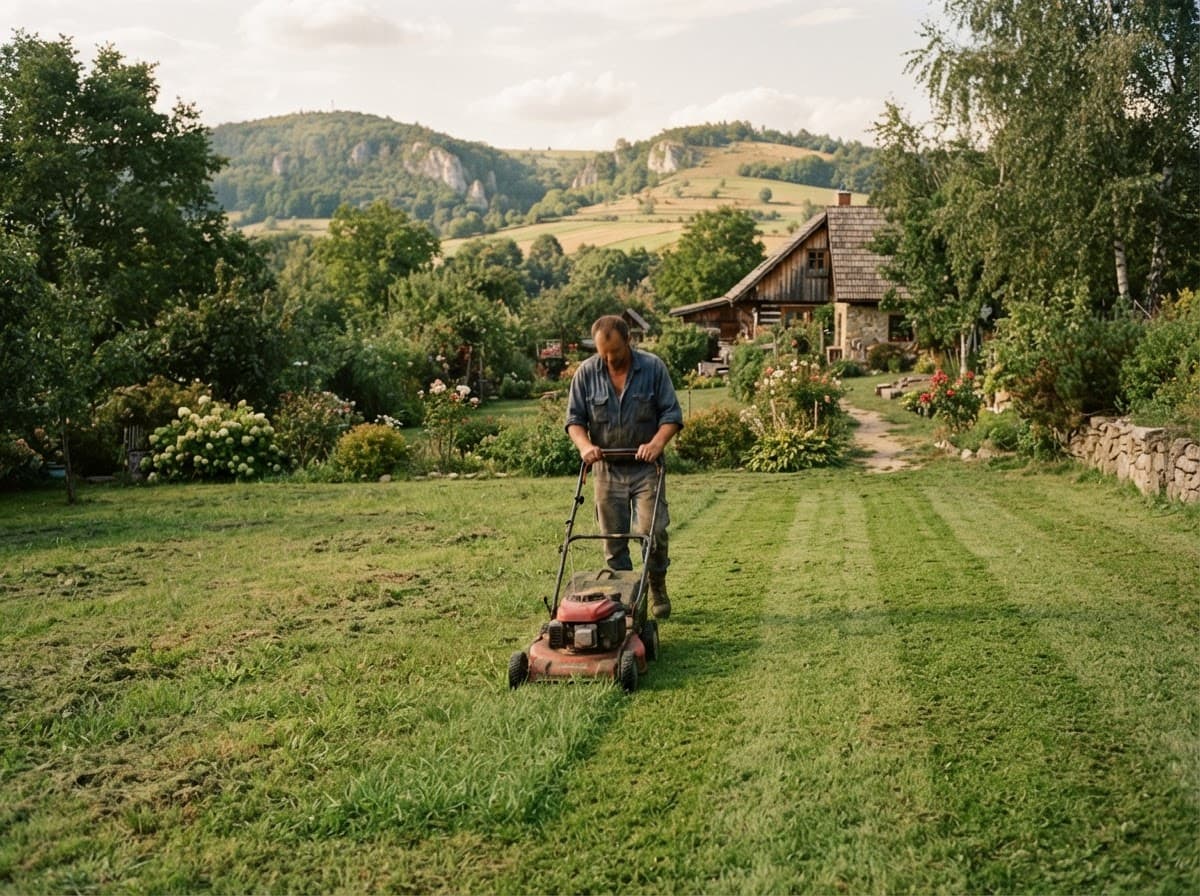
Proper Lawn Mowing in Małopolska: Cutting Heights and Clean Edges
Learn the essential rules of mowing in the variable Jurassic climate. Discover why sharp mower blades determine drought resistance.
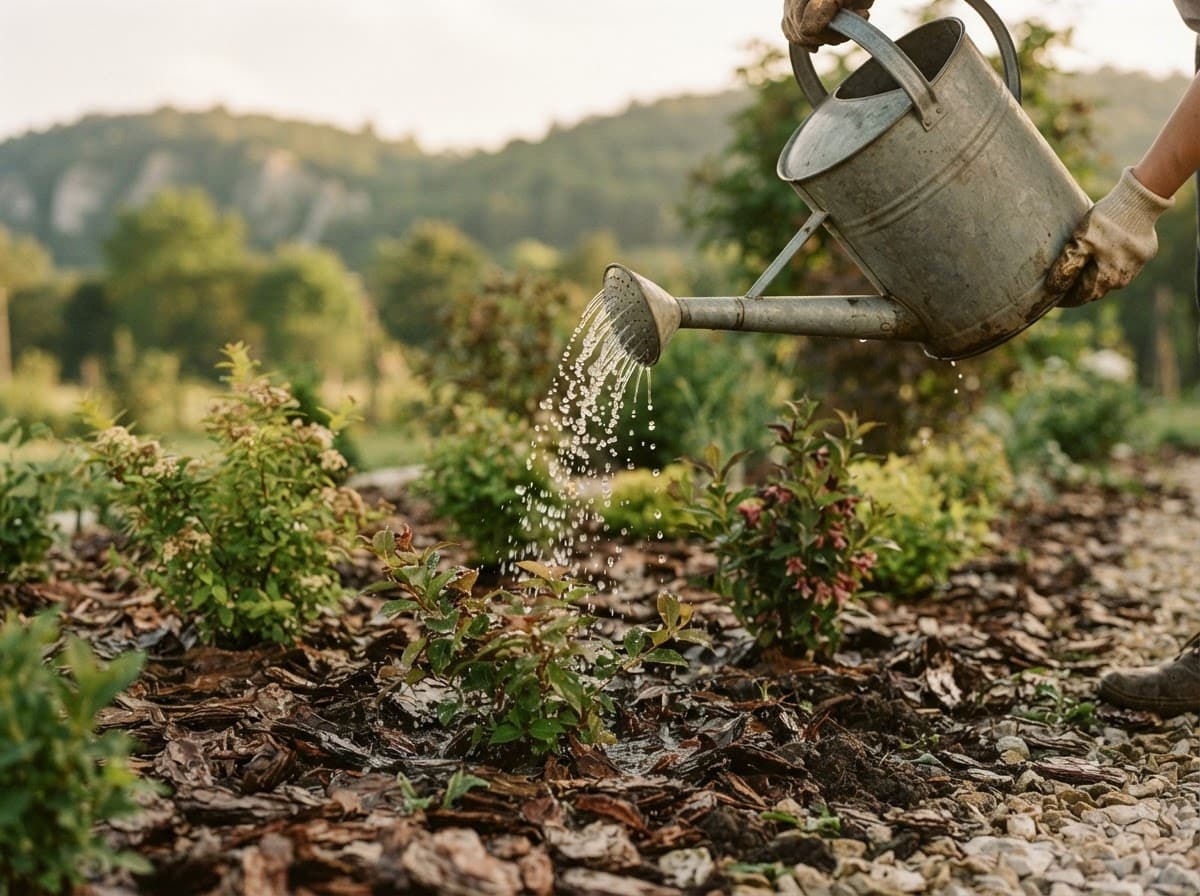
Automated Garden Irrigation: Why Install Before Turf Laying
Installing underground lines and pop-up sprinklers before laying sod saves hours, reduces water usage, and avoids tearing up finished landscaping.
Hedge Pruning and Shaping: Calendar for Thujas, Yews, and Boxwoods
When and how to prune hedges for a dense, impenetrable green screen. A practical guide to timing cuts in the Małopolska region.